

Introduction to Home Tech Lovelolablog
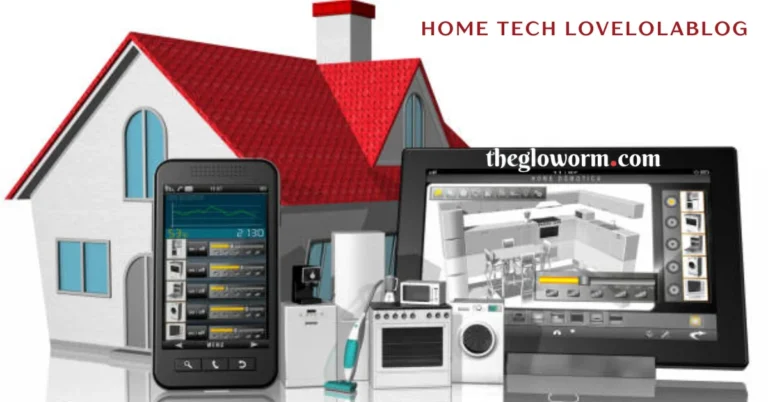
Welcome to Home Tech Lovelolablog, where innovation meets comfort right at your doorstep. As technology evolves, so does the way we live in our homes. Imagine a space that works seamlessly for you where lighting adjusts automatically, security systems keep watch while you’re away, and appliances respond to your voice commands. This isn’t just fantasy; it’s smart home technology making life easier and more enjoyable.
Whether you’re a tech enthusiast or just starting to explore the world of home automation, this guide will illuminate all aspects of creating a connected living environment. Get ready to discover how these devices can transform everyday tasks into effortless experiences!
Benefits of Smart Home Technology
Smart home technology brings unparalleled convenience to everyday life. Imagine controlling your lights, thermostat, and security system with just a tap on your smartphone or a simple voice command. This level of ease transforms daily routines.
Energy efficiency is another significant perk. Smart devices can help monitor usage and adjust settings automatically, leading to reduced utility bills. They adapt based on your lifestyle patterns.
Enhanced security offers peace of mind too. With smart cameras and doorbell systems, you can keep an eye on your home from anywhere in the world.
Additionally, these technologies support accessibility for individuals with mobility challenges. Voice-activated assistants make it simpler to manage tasks without physical strain.
Integrating smart home systems can boost property value over time as more buyers look for high-tech features in their next homes.
Types of Smart Home Devices and How They Work
Smart home devices come in various forms, each serving distinct functions to enhance your living experience.
Thermostats are vital for controlling heating and cooling systems. They learn your preferences over time, adjusting the temperature automatically for comfort and efficiency.
Lighting systems allow remote control of brightness and color. Smart bulbs connect to apps or voice assistants, letting you customize ambiance effortlessly.
Security cameras provide peace of mind by offering real-time monitoring via smartphones. Many models feature motion detection and night vision capabilities.
Smart speakers act as central hubs, enabling voice commands to interact with other devices seamlessly. You can ask questions, play music, or control smart appliances without lifting a finger.
Doorbell cameras integrate video technology with traditional doorbells. They offer two-way communication so homeowners can see who’s at the door from anywhere.
Each device works together within a network, creating an interconnected ecosystem that simplifies daily tasks.
Popular Brands and Products for Smart Homes
When it comes to smart home devices, several brands lead the pack. Nest is a household name, particularly known for its intelligent thermostats and security cameras that enhance energy efficiency and safety.
Amazon’s Echo series revolutionizes voice control with Alexa. This virtual assistant seamlessly integrates various devices, letting you control everything hands-free.
Philips Hue stands out in smart lighting. Their bulbs offer an array of colors and automation options, allowing homeowners to set the mood effortlessly.
Ring has made waves in home security with its video doorbells. They provide real-time alerts and footage straight to your smartphone.
For comprehensive systems, Samsung SmartThings offers compatibility across multiple brands and products. It creates a unified experience tailored to individual needs.
These popular products showcase how technology can make life easier while enhancing comfort and security at home.
How to Start Building a Smart Home System?
Starting your smart home journey can feel overwhelming, but it doesn’t have to be. Begin by identifying your needs and priorities. Do you want better security, energy efficiency, or convenience? Narrowing down your goals makes the process smoother.
Next, choose a central hub to manage all devices. Options vary from Amazon Echo to Google Nest Hub. This will serve as the brain of your system.
Once you have a hub in place, select compatible devices that align with your goals. Smart lights, thermostats, and cameras are popular choices for beginners.
Installation is usually user-friendly; many products come with step-by-step guides or mobile apps. Connect each device through the hub for seamless control.
Consider expanding gradually. Start small and add more features over time as you become familiar with how everything functions together in harmony.
Considerations for Setting up a Smart Home
Setting up a smart home requires thoughtful planning. Start by assessing your needs and lifestyle. Reflect on the regular day-to-day patterns of every individual living in your home.
Connectivity is crucial. Ensure you have a robust Wi-Fi network that can handle multiple devices simultaneously without lagging.
Security should be top of mind. Choose devices with strong encryption protocols to protect your personal information from prying eyes.
Compatibility matters too. Not all smart devices work seamlessly together, so research ecosystems like Google Home or Amazon Alexa before making purchases.
Think about scalability as well. You may want to expand your system in the future, so select products that allow for easy integration down the line.
Consider user-friendliness for everyone in your home, including children and seniors. The best technology simplifies life rather than complicates it.
Common Misconceptions About Smart Homes
Many people believe that smart homes are only for tech enthusiasts or those with large budgets. This couldn’t be further from the truth. Currently, budget-friendly alternatives are accessible to people of all financial backgrounds.
Another misconception is that smart devices are complicated and difficult to use. In reality, many products come with user-friendly apps designed for simplicity. Most require minimal setup and can seamlessly integrate into daily routines.
Some think that smart homes compromise security by being vulnerable to hacking. However, reputable brands prioritize cybersecurity measures that protect your data and privacy effectively.
There’s a belief that these technologies waste energy rather than save it. On the contrary, most smart devices optimize energy usage through automation and scheduling features, helping reduce overall consumption while keeping you comfortable at home.
Future Trends in Smart Home Technology
As we look to the future, smart home technology is set to evolve dramatically. Artificial Intelligence will play a central role, enabling devices to learn user habits and preferences for seamless automation.
Voice control systems are becoming more sophisticated. Natural language processing advancements mean that our interactions with devices will feel more intuitive.
Sustainability is another focus area. Smart homes will integrate energy-efficient appliances and renewable energy sources, reducing carbon footprints while enhancing comfort.
Interconnectivity among devices will improve too. Expect platforms that unify various brands under one umbrella, allowing for smoother communication across different products.
Security innovations are on the horizon. Advanced biometric authentication methods could offer heightened protection against intrusions, ensuring peace of mind in an increasingly connected environment.
The Cost of Building a Smart Home
Building a smart home can vary widely in cost. The initial investment depends on the complexity of your system and the devices you choose.
Basic setups might start at a few hundred dollars. This could include smart bulbs, plugs, and a hub for connectivity. However, as you add more features like security systems or climate control, expenses rise significantly.
High-end systems may require thousands of dollars. These often include integrated technology across multiple devices with advanced automation capabilities.
Don’t forget about installation costs if you’re opting for professional help. DIY solutions save money but require time and research.
Budgeting is essential when planning your smart home journey. Prioritizing what’s important to you will guide your spending effectively while ensuring satisfaction with your tech investments.
Conclusion
Home Tech Lovelolablog serves as your ultimate guide to the exciting world of smart home automation. With a clear understanding of the benefits, device types, and brands available, you can make informed decisions about enhancing your living space.
Smart home technology simplifies daily tasks and adds convenience to life while increasing energy efficiency. From lighting systems that respond to voice commands to thermostats that learn your habits, there’s something for everyone.
As you embark on this journey into smart home integration, remember that planning is crucial. Consider compatibility among devices and prioritize what features matter most to you. The misconceptions around privacy concerns or complexity often deter potential adopters; however, with proper research and support from trusted sources like Home Tech Lovelolablog, those fears can be alleviated.
Looking ahead, trends such as AI-driven personal assistants are set to redefine how we interact with our homes. Balancing cost versus benefit will always be a consideration when building a smart system but investing in quality products typically pays off over time.
Embracing these innovations not only enhances comfort but also paves the way for more sustainable living practices. Whether you’re just starting out or looking to upgrade an existing setup, there’s no better time than now to explore the endless possibilities of smart home technology through Home Tech Lovelolablog!
