

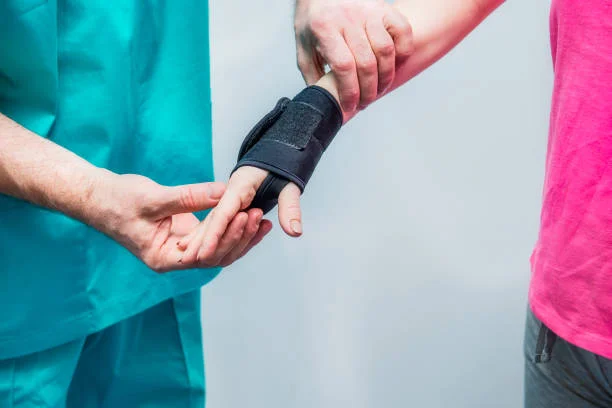
Wound Care and Bandaging With Velcro
When it comes to wound care, simplicity, comfort, and effectiveness matter most. Whether treating chronic conditions like venous leg ulcers or managing recovery after surgery, the way a wound is bandaged can make a world of difference. Traditional bandages have long been used to apply compression and protect healing tissue, but they often come with challenges—slippage, inconsistent pressure, or discomfort during reapplication. That’s where Velcro-based bandaging systems have transformed the landscape. With their adjustable, reusable design, these bandages offer a modern, patient-friendly approach to wound management. Even basic materials like velcro sticky back show how adaptable and accessible this fastening technology has become in medical care.
The Rise of Velcro in Modern Wound Care
Velcro’s introduction into wound care marked a major shift in how clinicians approach compression therapy. The technology’s core advantage lies in its ease of use. Traditional multilayer compression wraps often require skill to apply correctly and evenly. If wrapped too tightly, they can restrict circulation; too loosely, they lose therapeutic pressure. Velcro systems eliminate much of this guesswork.
With adjustable straps and fasteners, caregivers and patients can easily modify compression levels to maintain proper support without discomfort. This flexibility makes it easier to manage chronic wounds that need long-term care. In fact, many healthcare professionals now prefer Velcro bandaging systems for conditions like lymphedema and venous insufficiency, where consistent, controlled pressure is critical for healing.
How Velcro Bandages Work
Velcro bandaging systems use a series of elasticized wraps lined with hook-and-loop closures. Once applied around the limb, the user simply presses the closure together to secure it, creating uniform compression along the affected area. Unlike traditional bandages, which lose elasticity over time or slip out of place, Velcro maintains steady pressure and can be adjusted throughout the day as swelling changes.
Another key benefit is reusability. These wraps can be removed for cleaning or wound inspection and then reapplied without losing effectiveness. This feature improves hygiene and convenience—important factors for both patient comfort and clinical outcomes. According to the National Library of Medicine, proper compression therapy plays a crucial role in improving blood flow, reducing edema, and accelerating wound healing in patients with chronic venous disease. Velcro systems make it easier to achieve and maintain that compression consistently.
Advantages for Patients and Caregivers
Velcro-based bandages bring a human-centered approach to wound care. For patients managing chronic conditions, the ability to self-apply or adjust compression without frequent clinical visits fosters independence and confidence. Many people living with leg ulcers or lymphedema find these wraps more comfortable and easier to manage than traditional multilayer bandages or compression stockings.
For caregivers, the time savings are significant. Applying a Velcro wrap takes just a fraction of the time required for conventional dressings. Adjustments are quick, and the pressure can be fine-tuned instantly without starting over. The reduced need for replacement supplies also lowers long-term costs for both patients and healthcare providers.
Improved Comfort and Compliance
Comfort is one of the most overlooked aspects of successful wound care. Patients are far more likely to stick to a treatment plan if it feels manageable. Velcro wraps minimize discomfort by reducing bulk and friction. They also allow better air circulation, keeping the skin cooler and drier—a vital factor in preventing maceration or secondary skin irritation.
Because these wraps are easy to reapply, patients can temporarily remove them for showering or wound assessment without sacrificing treatment quality. This balance of convenience and effectiveness helps improve compliance, which ultimately enhances healing outcomes. The ability to adjust compression throughout the day, especially if swelling fluctuates, makes Velcro bandages a standout option for long-term use.
Environmental and Economic Benefits
In addition to clinical advantages, Velcro bandages offer sustainable and economic benefits. Unlike disposable wraps that must be replaced frequently, Velcro systems can last weeks or even months with proper care. This reduces medical waste and helps lower healthcare costs, particularly in long-term management scenarios.
From an environmental standpoint, the shift toward reusable medical materials supports global sustainability goals. Reusable Velcro wraps contribute less to landfill waste and reduce the carbon footprint associated with the constant production and disposal of single-use bandages. As the World Health Organization (WHO) emphasizes, sustainable healthcare practices are essential to reducing medical waste and improving long-term resource efficiency.
Supporting Healing Through Consistent Compression
Consistency is key in wound care. Uneven or insufficient compression can delay healing or cause further complications. Velcro wraps offer a reliable way to maintain consistent pressure, which helps improve venous return and reduce edema. The ability to measure and adjust compression precisely gives healthcare providers greater control over treatment outcomes.
For chronic wounds, steady pressure also helps minimize leakage and improve comfort, reducing the frequency of dressing changes. Patients benefit not just physically but emotionally, as the predictability and simplicity of the system make ongoing care less stressful.
Applications Beyond Leg Ulcers
While Velcro-based compression wraps are most often associated with venous leg ulcers, their applications extend further. They are increasingly used in post-surgical care, sports medicine, and rehabilitation. For example, athletes recovering from joint or muscle injuries can use Velcro wraps to apply controlled compression, reducing swelling and supporting faster recovery.
In physical therapy settings, Velcro’s adjustability allows for gradual pressure changes during recovery, accommodating different activity levels or stages of healing. It’s also becoming a go-to solution for securing dressings in hard-to-wrap areas like shoulders, hips, or hands—places where traditional bandages often slip or loosen.
A Smarter Approach to Modern Wound Care
Wound care is evolving toward greater personalization, and Velcro-based bandaging fits perfectly into that vision. It empowers patients to take an active role in their healing process while ensuring clinicians can deliver more consistent and efficient care. Its adjustability, reusability, and comfort make it one of the most practical innovations in compression therapy.
As healthcare continues to prioritize both effectiveness and accessibility, Velcro bandaging systems demonstrate that sometimes the simplest technologies deliver the biggest impact. They bring together modern materials science and patient-centered design—transforming a basic fastener into a key ally in the healing process.
With Velcro’s growing role in wound management, patients and clinicians alike can look forward to care that’s easier, smarter, and more effective than ever before.
