

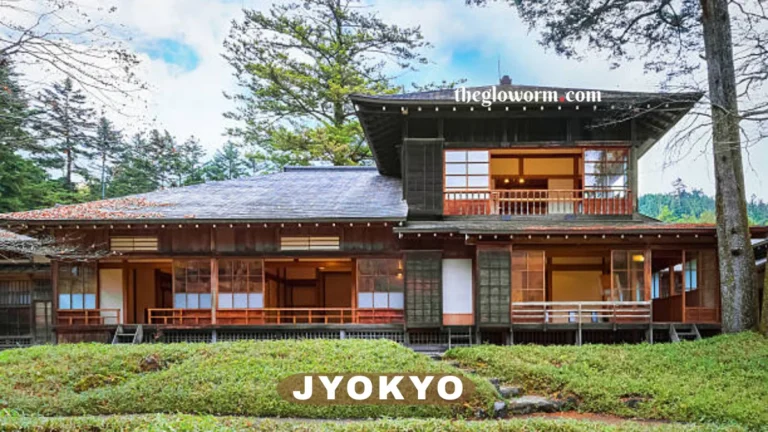
Japan is a land of rich traditions and unique social customs. One concept that stands out in this intricate cultural tapestry is “jyokyo.” Though it may not be familiar to everyone, understanding jyokyo can transform your experience in Japan. This term encapsulates the essence of context, awareness, and harmony three pillars that guide interactions among individuals.
Imagine walking through the bustling streets of Tokyo or enjoying a quiet tea ceremony in Kyoto. Each moment offers an opportunity to engage with those around you while respecting their feelings and perspectives. By embracing jyokyo, you open doors to deeper connections and more meaningful experiences.
So what exactly does jyokyo mean? Let’s dive into this fascinating aspect of Japanese culture and discover how it shapes daily life for locals and visitors alike.
The Concept of Jyokyo in Japanese Culture
Jyokyo is a nuanced concept deeply rooted in Japanese culture. It embodies the idea of situational awareness, where understanding the environment and context becomes paramount.
In Japan, maintaining group harmony is often valued above personal expression, and jyokyo guides people to read their environment and adjust their actions to fit the moment. This means being attuned to unspoken cues and subtle gestures that convey emotions.
The term itself can be loosely translated as “the situation” or “circumstances.” However, it carries layers of meaning beyond mere words. It reflects a collective mindset that values empathy and consideration in interactions.
From family gatherings to professional settings, recognizing jyokyo fosters an atmosphere of respect. This cultural lens promotes cooperation while minimizing conflict, allowing relationships to flourish naturally amidst shared values.
Understanding Context: Cultural and Social Factors
Understanding context in Japan involves recognizing the intricate web of cultural and social factors at play. The Japanese view situations through a unique lens shaped by centuries of history, tradition, and communal values.
Cultural nuances dictate that actions often speak louder than words. Non-verbal cues carry significant weight; body language can reveal more than spoken dialogue. This emphasis on subtle communication fosters an environment where understanding is key.
Social hierarchy also plays a crucial role. Respect for elders and authority influences interactions deeply. Knowing your place within this structure helps navigate various scenarios with grace.
Moreover, societal expectations shape behavior in both public and private settings. Being aware of these unwritten rules allows individuals to engage respectfully, fostering smoother relationships in diverse environments.
Awareness: Being Mindful of Others
Awareness in the context of jyokyo is all about being present and attuned to those around you. It requires a keen sense of observation and understanding. In Japan, this mindfulness manifests in everyday interactions.
When you engage with others, notice their body language and facial expressions. These silent signals frequently convey more meaning than spoken language. Taking a moment to pause can lead to more meaningful conversations.
Consider how your actions impact those nearby. Simple gestures like bowing or maintaining appropriate distance show respect for personal space.
Being aware also means listening actively. When someone speaks, focus on their message rather than preparing your next response.
This level of awareness fosters genuine connections and enriches relationships, making every encounter feel special and valued in Japanese culture.
Harmony: Finding Balance and Respect in Interactions
In Japanese culture, harmony is essential. It shapes interactions in countless ways. This concept, known as wa (和), emphasizes balance and respect among individuals.
When engaging with others, it’s crucial to prioritize group cohesion over personal opinions. Maintaining a calm demeanor fosters understanding and connection.
Non-verbal communication often plays a significant role here. Subtle gestures convey feelings without the need for words. A gentle nod or a soft smile can speak volumes.
Listening intently is another vital aspect of achieving harmony. Being present allows you to grasp underlying emotions and intentions better than mere conversation might reveal.
Embracing this approach nurtures relationships both personally and professionally. Respecting boundaries while being considerate creates an atmosphere where everyone feels valued—an ideal that many strive for daily in Japan’s social fabric.
Examples of Jyokyo in Everyday Life
Jyokyo manifests in numerous aspects of daily life in Japan. Consider dining etiquette. When sharing a meal, it’s common to wait for everyone to be served before starting. This respect for others enhances the communal experience.
Public transportation is another great example. Passengers often maintain silence on trains and buses, allowing everyone to enjoy their personal space while being considerate of fellow travelers.
In conversations, you might notice how Japanese people read between the lines. Non-verbal cues play a significant role here. A subtle nod or gesture can convey agreement or understanding without uttering a single word.
Even in seasonal festivals, jyokyo shines through community involvement and harmony among participants. People join together to celebrate traditions with an unspoken commitment to collective joy rather than individual recognition.
These moments reflect the essence of jyokyo, showcasing its vital role in enhancing social interactions throughout Japan.
Navigating Jyokyo as a Foreigner
Navigating jyokyo as a foreigner can be both enriching and challenging. The nuances of context, awareness, and harmony may feel overwhelming at first. However, embracing these concepts opens doors to deeper connections.
Start by observing your surroundings. Pay attention to the interactions happening around you. This helps in grasping subtle cues that define social norms.
Practice active listening when engaging with locals. Being genuinely curious about their perspectives fosters mutual respect and understanding.
Remember that silence often speaks volumes in Japan. Sometimes, it’s not what is said but how it is conveyed that matters most.
Don’t hesitate to ask questions if unsure about a situation; many appreciate your effort to understand their culture better.
As you immerse yourself in daily life, let go of preconceived notions on communication styles. Flexibility will enhance your experiences while living or traveling here.
Embracing Jyokyo for a More Fulfilling Experience in Japan
Embracing jyokyo can transform your experience in Japan. It opens a door to deeper understanding and connection with the culture.
Start by observing your surroundings. Pay attention to social cues, body language, and unspoken rules. This awareness will enhance your interactions.
Engage with locals on their terms. Show respect for traditions and customs that may seem unfamiliar at first. Even a simple act of courtesy can make a significant impact.
Practice mindfulness in conversations. Listen actively and respond thoughtfully, showing you value others’ perspectives. This creates an atmosphere of mutual respect.
Traveling through various regions? Each place has its own nuances of jyokyo. Adapt your approach accordingly for richer experiences.
Embracing this concept fosters genuine relationships while navigating daily life in Japan’s unique cultural landscape.
Conclusion
Jyokyo embodies a rich tapestry of cultural nuances that play a vital role in Japanese interactions. Understanding this concept opens doors to deeper connections and authentic experiences in Japan.
By grasping the significance of context, you can appreciate the unspoken rules governing social behavior. Being aware of others enhances your sensitivity to emotional undercurrents, allowing for more meaningful engagements.
The pursuit of harmony is essential in building respectful relationships. Striking this balance makes everyday interactions smoother and more enjoyable for everyone involved.
As a foreigner, navigating jyokyo may seem daunting at first, but with patience and openness, it becomes an enriching journey. Observing local customs and being adaptable will serve you well here.
Embracing jyokyo not only fosters personal growth but also paves the way for memorable encounters as you explore Japan’s vibrant culture. Engaging with locals on their terms enriches your travel experience far beyond mere sightseeing. It transforms every moment into an opportunity for connection and understanding within this beautiful country.
