

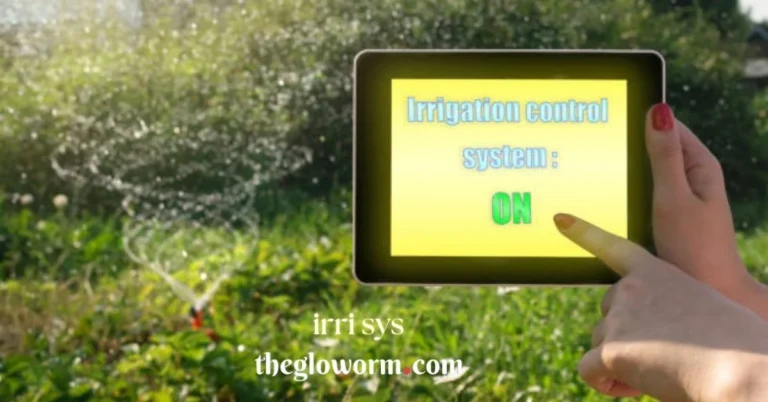
Introduction to Irri Sys and its mission
Water is life, especially in agriculture. As the global population continues to rise, efficient irrigation systems have become a necessity for sustainable farming practices. Enter IRRI SYS a revolutionary approach designed to optimize water usage and enhance crop yield. This innovative system focuses on integrating cutting-edge technology with agricultural research to support farmers worldwide.
IRRI SYS stands at the forefront of tackling some of the most pressing challenges in modern agriculture. Its mission? To empower farmers with smart solutions that ensure every drop counts while maximizing productivity. Whether you’re a seasoned agronomist or just curious about advancements in irrigation, exploring IRRI SYS could change your perspective on sustainable farming forever. Let’s dive into what makes this system so impactful and how it’s shaping the future of agriculture around the globe.
History and Evolution of IRRI SYS
The history of IRRI SYS traces back to the need for efficient irrigation in agriculture. As global food demands surged, researchers sought innovative solutions.
Early developments focused on traditional irrigation practices. However, with advancements in technology, a shift occurred towards integrated systems that optimize water usage.
In the late 20th century, the International Rice Research Institute (IRRI) began formalizing these concepts into what we now know as IRRI SYS. This approach combined research with practical applications.
Over time, it evolved through collaboration between scientists and farmers. Each iteration brought improvements based on real-world feedback and data analysis.
Today’s version reflects decades of refinement and adaptation to local conditions. It stands as a testament to how agricultural practices can evolve through scientific inquiry and community involvement.
Components and Functions of IRRI SYS
IRRI SYS comprises several key components designed to enhance irrigation effectiveness and agricultural productivity. At its core is a sophisticated data management system that collects real-time information from various sources.
This includes weather stations and soil moisture sensors, which provide critical insights into environmental conditions. Users can access this data through an intuitive interface, making informed decisions easier.
Another essential component is the automated irrigation control system. It optimizes water use by delivering precise amounts when crops need it most. This not only conserves water but also boosts crop yields.
The platform also features mobile applications for farmers, allowing them to monitor their fields remotely. With notifications about optimal watering times and potential issues, farmers are empowered to act swiftly.
Training modules integrated within IRRI SYS further equip users with knowledge on best practices in irrigation management. Each component plays a vital role in creating a sustainable agricultural environment.
Benefits of Using IRRI SYS
IRRI SYS offers a multitude of benefits that enhance agricultural productivity. By optimizing water usage, it ensures crops receive the right amount of irrigation at the right time. This minimizes waste and conserves precious resources.
Farmers experience increased crop yields thanks to precise monitoring and management systems. The technology allows for data-driven decisions, leading to healthier plants and better harvests.
Additionally, IRRI SYS promotes sustainability in farming practices. It reduces environmental impact by preventing over-irrigation and minimizing soil erosion. This contributes to long-term soil health.
Economic advantages are significant as well. With improved efficiency comes reduced operational costs for farmers. They can allocate resources more wisely, ultimately increasing their profitability.
The system enhances resilience against climate variability. Farmers can adapt quickly to changing weather patterns, ensuring food security even during unpredictable conditions.
Case Studies: Successful Implementation of IRRI SYS
One standout case study of IRRI SYS can be found in the Philippines, where a local farming cooperative adopted the system to optimize water use. They reported a significant increase in crop yields, attributing this success to precise irrigation scheduling.
In India, another innovative farmer integrated IRRI SYS into their rice cultivation practices. By utilizing real-time data on soil moisture and weather patterns, they reduced water consumption by 30%. This not only improved sustainability but also enhanced profitability.
A recent project in Vietnam showcased how urban farmers implemented IRRI SYS for rooftop gardens. The results were impressive: increased vegetable production and reduced resource waste.
These examples illustrate that with tailored applications, IRRI SYS transforms agricultural practices globally while addressing pressing environmental challenges. Each instance highlights adaptability and innovation at work within diverse contexts.
Challenges and Limitations of IRRI SYS
Implementing IRRI SYS comes with its own set of challenges. One major concern is the initial cost of setup and maintenance. Many farmers, especially in developing regions, may find it difficult to invest in advanced irrigation technology.
Another limitation lies in the need for training. Users must understand how to operate these systems effectively. Without proper education, the benefits of IRRI SYS can go untapped.
Data accuracy also poses an issue. Relying on sensors means that any malfunction can lead to incorrect information about soil moisture or crop needs. This could result in wasted resources or even crop failure.
Environmental factors can’t be ignored. In areas prone to flooding or droughts, even the best irrigation system faces severe operational challenges that require constant adaptation and innovation.
Future Outlook for IRRI SYS
The future of IRRI SYS looks promising as technology continues to evolve. Innovations in data analytics and artificial intelligence are poised to enhance its capabilities further.
As water scarcity becomes a pressing issue globally, the demand for efficient irrigation systems will rise. IRRI SYS can play a pivotal role in addressing this challenge by optimizing water usage in agriculture.
Collaboration with farmers, researchers, and policymakers is essential. By fostering partnerships, IRRI SYS can adapt more readily to local needs and conditions. This adaptability will make it even more effective across diverse agricultural landscapes.
Sustainability remains at the forefront of agricultural practices. With advancements in eco-friendly technologies integrated into IRRI SYS’s, the system could significantly reduce environmental impacts while boosting crop yields.
The ongoing research initiatives will also drive improvements. Continuous development ensures that IRRI SYS’s stays relevant amid shifting climatic conditions and evolving farming techniques.
Conclusion
As we look at the advancements and applications of IRRI SYS, it becomes clear that this system represents a significant step forward in agricultural efficiency. With its robust framework for irrigation management and research, farmers can optimize crop production while conserving valuable resources.
The historical journey of IRRI SYS’s showcases its adaptability to new challenges in agriculture. From its inception to modern-day iterations, the evolution reflects ongoing commitment to innovation. The components of IRRI SYS’s provide essential functions that streamline processes and enhance productivity.
Farmers who have embraced this technology report numerous benefits, including improved yield and resource management. Case studies highlight real-world examples where IRRI SYS’s has transformed practices, leading to sustainable farming solutions.
However, like any system, IRRI SYS’s faces challenges. These limitations must be addressed through continuous improvement and research efforts to ensure long-term viability.
Looking ahead, the future of IRRI SYS’s appears promising. As technology evolves further with data analytics and smart agriculture tools integration, the potential for optimizing irrigation processes grows even larger.
Embracing systems like IRRI SYS’s could pave the way for more sustainable agricultural practices globally. This is not just about increasing output but fostering a better relationship between farming techniques and environmental stewardship.
