
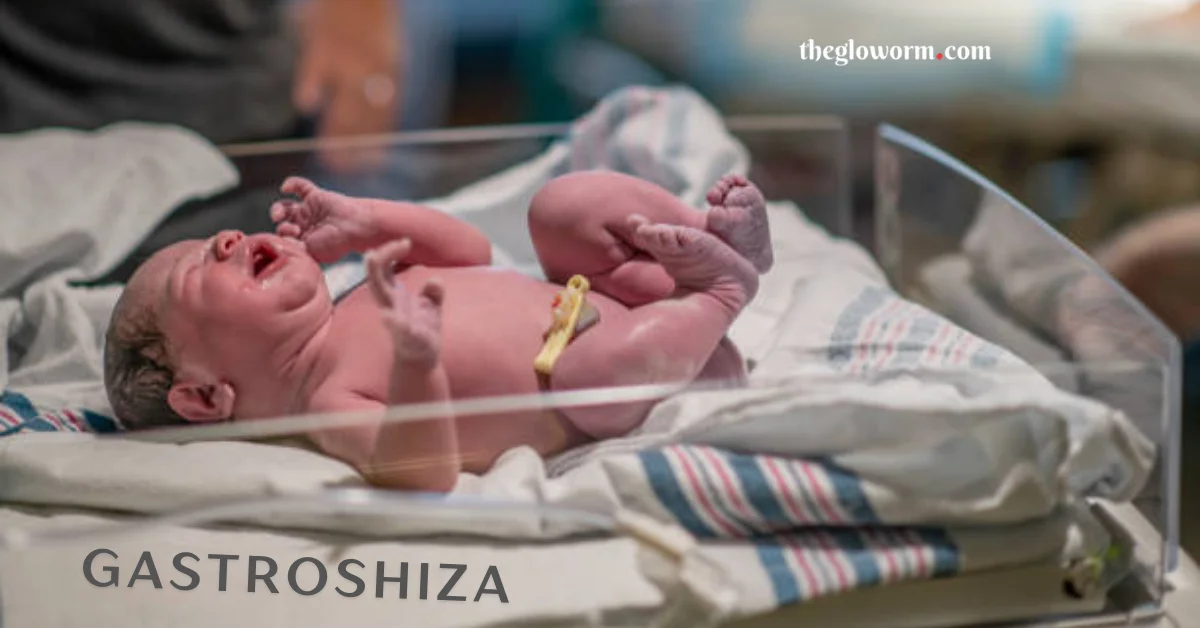
Introduction to Gastroshiza
Gastroshiza is a complex and often daunting condition that affects newborns, leaving families with many questions and concerns. Imagine the shock of discovering your child has a birth defect where their intestines develop outside the body, posing significant challenges from day one. Understanding gastroshiza is crucial for parents navigating this journey.
This blog post will explore what gastroshiza entails, its causes and symptoms, as well as the best practices for managing intestinal health through diagnosis and treatment options. Whether you’re seeking knowledge to support a loved one or looking to understand more about this condition yourself, you’ll find valuable insights here. Let’s embark on this informative journey together!
Understanding Gastroshiza: Causes and Symptoms
Gastroshiza is a rare congenital condition where an infant’s intestines protrude through a defect in the abdominal wall. This typically occurs to the right of the umbilical cord, leaving vulnerable organs exposed.
The exact cause remains unclear, but several factors may contribute. Genetic predispositions and environmental influences during pregnancy are thought to play significant roles. Maternal health issues, such as diabetes or smoking, might increase risk.
Symptoms often manifest at birth. The most noticeable sign is the presence of intestinal loops outside the body. Infants may experience difficulty feeding and exhibit signs of distress due to their unique anatomy.
Prompt diagnosis is crucial for effective intervention. Healthcare providers typically use imaging techniques during prenatal visits or immediately after delivery for assessment and treatment planning.
Diagnosis and Treatment Options
Diagnosing gastroshiza typically involves imaging tests, such as ultrasounds or X-rays. These methods help visualize the baby’s abdominal organs and any protruding intestines. Healthcare providers may also conduct genetic testing to rule out associated anomalies.
Once diagnosed, surgical intervention is often necessary. The primary goal is to reposition the exposed intestines back into the abdomen and close the opening in the abdominal wall. This procedure usually occurs shortly after birth.
Post-surgery, infants require careful monitoring for complications like infection or feeding difficulties. Depending on their condition, some babies may need specialized nutritional support to ensure proper growth during recovery.
In certain cases, ongoing follow-ups with pediatric specialists are crucial for long-term management of gastroshiza-related issues. Each child’s treatment plan will be tailored specifically to their needs, ensuring comprehensive care throughout their development journey.
The Role of Nutrition in Managing Gastroshiza
Nutrition plays a vital role in managing gastroshiza, especially for infants and children. A well-balanced diet can help support healing and growth during recovery.
For newborns, nutrition often begins with specialized formulas or breast milk. These provide essential nutrients that are crucial for developing intestines. As kids grow, introducing solid foods must be done cautiously.
Parents should focus on easily digestible options to minimize gastrointestinal strain. Soft fruits, vegetables, and grains can offer necessary vitamins without overwhelming the system.
Hydration is equally important; ensuring adequate fluid intake supports digestive health. In some cases, dietary adjustments might be needed based on individual tolerance levels.
Monitoring reactions to certain foods can guide future meal planning. Each child’s needs may differ significantly due to their unique condition and progress over time.
From Birth to Recovery: Managing Gastroshiza in Infants and Children
Managing gastroshiza from birth requires a careful approach tailored to each child. Infants with this condition often undergo surgery shortly after birth to repair the abdominal wall and relocate the intestines.
Post-surgery, monitoring is crucial. Healthcare providers will assess healing and nutrition needs regularly. Parents should stay informed about potential complications as their child grows.
Feeding strategies may change over time. Initially, specialized formulas might be necessary for optimal nutrient absorption. As children age, introducing solid foods can help diversify their diet while keeping an eye on tolerability.
Emotional support plays a significant role in recovery too. Connecting with other families facing similar challenges can provide comfort and understanding during difficult times.
Regular follow-ups with specialists ensure that any long-term effects are managed effectively, allowing children to thrive despite initial hurdles they faced at birth.
Coping with Long-Term Effects of Gastroshiza
Coping with the long-term effects of gastroshiza can be a complex journey. Each child’s experience is unique, necessitating tailored support and care.
Parents often need to focus on their child’s ongoing health needs. Regular medical check-ups are essential to monitor growth and development. Staying informed about potential complications helps in proactive management.
Emotional support plays a crucial role as well. Children may face challenges related to body image or social interactions due to their condition. Encouraging open conversations fosters resilience and reassurance.
Connecting with support groups can also provide comfort. Sharing experiences with other families encourages understanding and builds community ties. It alleviates feelings of isolation.
Nutrition remains vital throughout childhood and into adolescence, influencing overall well-being. A balanced diet supports physical health while also promoting better mental health outcomes.
Fostering an environment filled with love, patience, and understanding will empower children impacted by gastroshiza in facing life’s challenges head-on.
Support for Families Dealing with Gastroshiza
Families navigating gastroshiza face unique challenges. The emotional and physical toll can be overwhelming, but support is available.
Connecting with healthcare professionals who understand gastroshiza is crucial. These experts can provide invaluable advice on managing care and addressing concerns as they arise.
Support groups offer a safe space for sharing experiences. Engaging with other families dealing with similar issues fosters connection and understanding. You are not alone in this journey.
Resources such as online forums can also be beneficial. They allow parents to exchange tips, discuss nutrition plans, or share stories of recovery.
Consider reaching out to local organizations focused on congenital conditions too. Many have programs tailored specifically for children with gastrointestinal issues.
Don’t forget the importance of self-care for caregivers. Taking time for yourself strengthens your ability to support your child effectively during their recovery process.
Conclusion
Gastroshiza is a condition that requires careful management and understanding. From the moment of diagnosis, families face many challenges. Early intervention can lead to better outcomes for infants and children affected by this condition.
Supporting nutrition plays a crucial role in recovery. Specialized diets may help in managing symptoms while promoting overall health. It’s vital for caregivers to work closely with healthcare professionals to create tailored nutritional plans.
Long-term effects can vary widely among individuals, making ongoing support essential. Families often find strength in connecting with others who share similar experiences. This community can provide emotional support and practical advice on navigating daily life.
Managing gastroshiza isn’t just about medical treatment; it encompasses a holistic approach involving diet, emotional well-being, and community support. With patience and resilience, families can navigate the complexities this condition presents while fostering hope for brighter days ahead.