

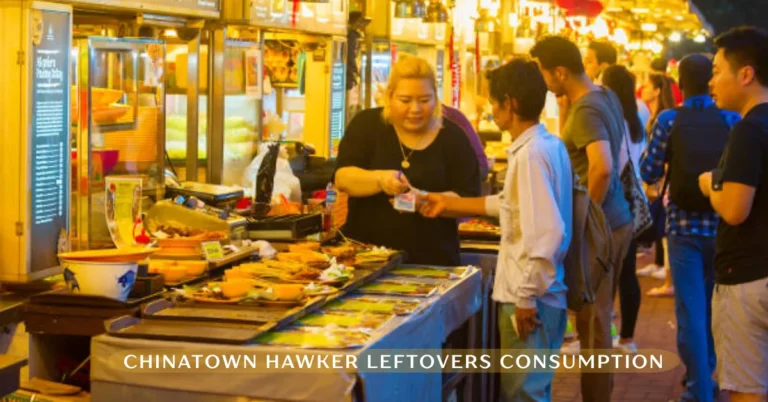
Introduction to Chinatown Hawker Leftovers Consumption
Chinatown is a vibrant tapestry of flavors, colors, and aromas. The hawker stalls buzz with life, offering an array of delicious dishes that tantalize the taste buds. But what happens when you’ve had your fill and there’s still food left on your plate? Many people face a dilemma: should you toss those tempting leftovers or find a way to savor them later? Enter Chinatown Hawker Leftovers Consumption a practice that not only allows you to enjoy every last bite but also plays a crucial role in sustainability.
Leftover food from hawkers can be just as delightful the next day if handled correctly. By exploring how we consume these remnants, we can maintain the integrity of our beloved street food while minimizing waste. Therefore, let’s embark on this gastronomic exploration as a collective!
The Importance of Preserving Food Integrity
Food integrity is vital in our culinary landscape. It reflects the quality, safety, and flavor of what we consume. When we prioritize preserving it, we ensure that every bite remains true to its origins.
In a bustling environment like Chinatown, hawker food is often crafted with care and tradition. Each dish tells a story through its ingredients and preparation methods. Protecting this authenticity means valuing the hard work behind each meal.
Moreover, maintaining food integrity reduces waste and promotes sustainability. By being mindful about how we handle leftovers, we’re contributing to a more responsible food culture.
Quality leftovers can still provide delightful meals after their initial serving. They deserve respect just as much as freshly prepared dishes do.
When you embrace the essence of each ingredient, you appreciate not only what’s on your plate but also the effort that brought it there.
Common Issues with Consuming Leftover Food
Consuming leftover food can be a delightful experience, but it comes with its own set of challenges. One major issue is the risk of foodborne illnesses. Bacteria thrive in improperly stored leftovers, leading to potential health hazards.
Temperature control is another concern. Many people forget to refrigerate their meals promptly after dining. Leaving them out for extended periods allows harmful germs to multiply rapidly.
Texture and flavor degradation are often overlooked as well. Leftovers may lose their original taste and freshness, making them less appealing when reheated.
Additionally, packaging plays a crucial role in maintaining quality. Using unsuitable containers can lead to moisture loss or contamination from other foods in the fridge.
These common pitfalls highlight the importance of being mindful about how we handle our hawker delights once the last bite has been savored.
Tips for Properly Storing and Reheating Hawker Leftovers
Storing your Chinatown hawker leftovers properly ensures that they maintain their flavor and safety. Start by allowing the food to cool down before sealing it in airtight containers. This action assists in avoiding moisture buildup, which can result in a mushy texture.
Mark each receptacle with the specific date you placed it in storage. This simple step will help track freshness and minimize waste.
When reheating, use low heat settings on the stove or microwave. Gradually warming up the food preserves its texture better than high temperatures that can dry it out.
For dishes like noodles or rice, adding a splash of water while reheating can do wonders for moisture retention. Stir occasionally to ensure even heating throughout.
Always check for off smells or unusual appearances before consuming any leftover dish. Keeping these tips in mind makes enjoying your favorite hawker meals a delightful experience!
Creative Ways to Repurpose Hawker Leftovers
Leftover hawker food can be a treasure trove of culinary creativity. Instead of letting those tasty remnants go to waste, why not transform them into something new and exciting?
Take leftover rice, for instance. It’s perfect for fried rice or even as a base for savory porridge. Just toss in some vegetables and an egg, and you have a quick meal.
Noodles from your favorite stall can easily become the star of a stir-fry. Add fresh greens, protein like chicken or tofu, and a splash of soy sauce for an entirely different dish.
For those with a sweet tooth, consider using leftover dessert items creatively turn that mango sticky rice into breakfast by mixing it with yogurt or oatmeal.
With just a little imagination, hawker leftovers can shine brightly on your dining table once again!
The Benefits of Eating Hawker Leftovers
Eating hawker leftovers is a delicious way to enjoy the flavors of Chinatown without breaking the bank. These meals often carry rich tastes and can be just as satisfying the next day.
One significant benefit is reducing food waste. By consuming leftovers, you’re helping minimize what goes into landfills. This simple act contributes to more sustainable eating habits.
Hawker stalls pride themselves on quality ingredients. Enjoying leftover dishes means you still get that authentic taste even after your initial meal.
Moreover, many hawker foods improve in flavor when reheated. Spices and sauces meld together over time, enhancing their profiles.
It’s an economical choice for busy days or late-night cravings. You save money while savoring those cherished flavors anytime you desire them!
Conclusion: Embracing Sustainability in Our Food Choices
Embracing sustainability in our food choices is more important than ever. By consuming Chinatown hawker leftovers, we honor the hard work of vendors and reduce food waste. It is a minor action that has the potential to trigger a significant transformation.
When we prioritize preserving the integrity of our leftover meals, we also contribute positively to our environment. Knowing how to properly store and reheat these delicious dishes ensures their quality remains intact while giving them a second life on our plates.
Repurposing leftovers creatively not only adds variety to your meals but also sparks culinary innovation. Think outside the box—transforming fried rice into wrapped spring rolls or using satay sauce as a marinade enhances flavors and minimizes waste.
The benefits extend beyond personal enjoyment; they ripple through communities too. Supporting local hawkers while practicing sustainable habits fosters a culture of appreciation for food and its origins.
Making conscious decisions about what we eat today shapes what will be available tomorrow. By celebrating Chinatown hawker leftovers consumption, we’re stepping towards a more sustainable future one meal at a time.
