

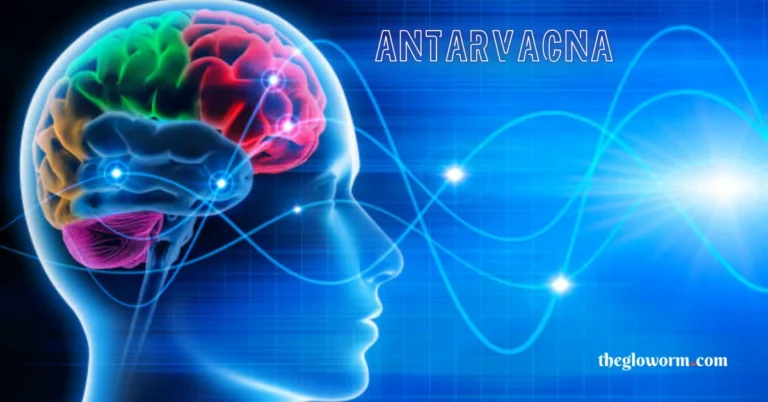
Introduction to Antarvacna
Have you ever found yourself lost in thought, engaged in a silent dialogue with your own mind? That phenomenon is known as inner speech, and it plays a crucial role in how we think, feel, and navigate our world. Enter the concept of Antarvacna a term that encapsulates this fascinating aspect of human cognition. As we delve into Antarvacna, we’ll explore its roots and significance while uncovering how it connects to brain science. This exploration reveals not just the mechanics of our thoughts but also their impact on emotions and memory. With powerful applications for mental health and well-being, understanding Antarvacna opens new doors for personal growth. Join me on this journey to unlock the potential hidden within your inner voice!
The Origins of the Term Antarvacna
The term “Antarvacna” has fascinating roots in the field of psychology and linguistics. Originating from Sanskrit, it translates to “inner voice” or “inner speech.” This reflects a deep connection between language and thought.
In ancient Indian philosophy, inner dialogue was seen as essential for self-reflection and personal growth. Scholars believed that this internal conversation shapes our understanding of the world.
As modern science evolved, researchers began exploring how this concept applies to brain function. The interplay between thoughts and words became a focus area in neuropsychology.
Today, Antarvacna resonates with those seeking clarity within themselves. It invites individuals to recognize their internal narratives as pathways toward emotional intelligence and awareness.
How Inner Speech Connects with Brain Science?
Inner speech is a fascinating phenomenon that intertwines with brain science in profound ways. When we engage in this internal dialogue, various regions of the brain come into play, particularly those involved in language processing and cognitive functions.
Neuroscientific studies reveal that areas like Broca’s area and Wernicke’s area are activated during inner speech. These regions help us formulate thoughts and comprehend language. This connection underscores how our minds create narratives even when we’re silent.
Moreover, inner speech can influence neural pathways linked to emotions. As we talk to ourselves, we often revisit memories or stimulate feelings tied to past experiences. This dynamic interaction not only shapes our self-perception but also impacts decision-making processes.
Understanding these connections enhances our grasp of mental health strategies. It shows how consciously guiding our inner dialogues can lead to positive changes within the brain’s architecture.
The Role of Emotions and Memory in Inner Speech
Emotions and memory play a crucial role in shaping inner speech. Our thoughts are often colored by how we feel at any given moment. For instance, anxiety can amplify negative self-talk, while happiness may foster a sense of confidence.
Memories also influence this internal dialogue. Past experiences shape our beliefs about ourselves and the world around us. A painful memory might trigger critical inner voices, while positive recollections can inspire affirmations.
Furthermore, emotions activate specific neural pathways that connect to these memories. When we recall an event tied to strong feelings, it creates vivid imagery in our minds. This interplay between emotion and memory illustrates how deeply intertwined they are with our inner narratives.
Understanding this relationship enables us to recognize patterns in our thoughts and possibly reshape them for better mental health outcomes.
Applications of Antarvacna for Mental Health and Well-Being
Antarvacna, or inner speech, offers powerful applications for mental health and well-being. By utilizing this internal dialogue, individuals can foster self-awareness and reflection. This practice encourages a deeper understanding of thoughts, which can lead to healthier emotional responses.
Therapists often recommend techniques that involve verbalizing feelings internally. Doing so helps clarify emotions and reduce anxiety. When people articulate their worries in their minds, it creates distance from overwhelming feelings.
Additionally, Antarvacna aids in cognitive restructuring. Those struggling with negative thought patterns can challenge these beliefs through positive self-talk. Over time, this shift enhances resilience and promotes a more optimistic outlook on life.
Moreover, daily affirmations—spoken silently—can bolster confidence and motivation. These small but impactful shifts influence overall mental wellness significantly while empowering individuals to take control of their narratives.
Techniques for Harnessing Inner Speech in Daily Life
Harnessing inner speech can enhance daily life in remarkable ways. One effective technique is mindfulness meditation. This practice encourages awareness of thoughts, allowing individuals to observe their inner dialogue without judgment.
Another approach involves journaling. Writing down your thoughts not only clarifies them but also strengthens the connection between mind and language. It’s a valuable tool for identifying recurring patterns or negative self-talk that can impact mood.
Visualization is another powerful method. Picture scenarios where you succeed or handle challenges with confidence while verbalizing supportive affirmations to yourself.
Engaging in positive self-talk during stressful moments can reshape reactions and build resilience. By consciously choosing empowering narratives, you foster a more constructive mindset throughout the day.
These techniques create opportunities to refine inner speech, making it an ally rather than an adversary in everyday situations.
Conclusion: Unlocking the Potential of Antarvacna for Personal Growth
Antarvacna offers a fascinating glimpse into the interplay between our thoughts and how we understand ourselves. The exploration of inner speech reveals not just the workings of our mind, but also opens pathways to greater self-awareness.
By recognizing the origins and significance of Antarvacna, individuals can tap into their inner dialogue as a tool for personal growth. This understanding can lead to enhanced emotional regulation and improved memory retention, fostering resilience in daily life.
Moreover, implementing techniques that harness inner speech creates opportunities for reflection and mindfulness. Whether through journaling or positive affirmations, these practices cultivate an environment where one’s mental health can thrive.
As we delve deeper into the realm of Antarvacna, it becomes clear that this concept holds immense potential for anyone looking to elevate their personal journey. Embracing this aspect of brain science may pave the way toward living more authentically and purposefully.
