

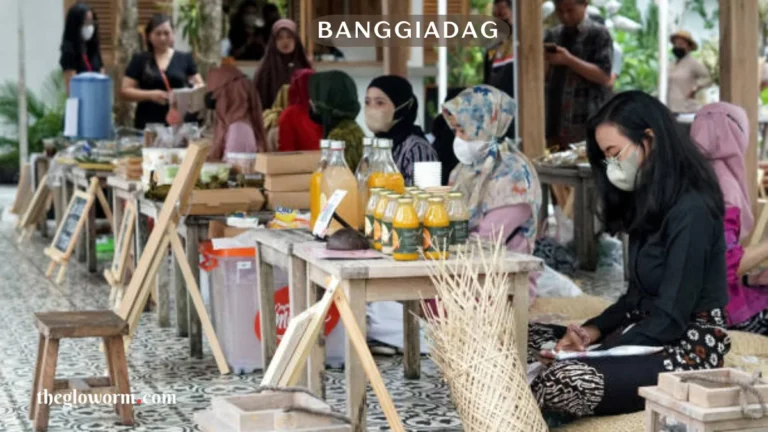
Introduction to banggiadag
Banggiadag is more than a word; it’s a vibrant thread woven into the rich tapestry of culture and art. Emerging from deep-rooted traditions, banggiadag encapsulates stories, values, and identities that have been passed down through generations. As we navigate the complexities of modern life, this cultural gem continues to shine brightly, inspiring both artists and everyday enthusiasts alike. Join us on an exploration of banggiadag from its origins to its contemporary interpretations and discover how this unique concept resonates with people today. Whether you’re an art lover or simply curious about cultural heritage, there’s something in the world of banggiadag for everyone to appreciate.
The Origins of Banggiadag
The origins of banggiadag trace back to the rich tapestry of indigenous cultures. Historically, it served as both a functional object and a spiritual symbol. Crafted with intricate designs, these pieces often held stories passed down through generations.
Traditionally made from natural materials, each banggiadag embodies the values and beliefs of its creators. The craftsmanship reflects an intimate connection to nature and community life.
As societies evolved, so did the significance of banggiadag. No longer just relics of the past, they transformed into symbols that celebrate identity and heritage. This evolution highlights how cultural artifacts can adapt while retaining their foundational meanings.
In many ways, banggiadag represents resilience—an enduring testament to traditions that refuse to fade away in modern times. It captures a unique blend of artistry and history that continues to resonate today.
The Role of Banggiadag in Indigenous Cultures
Banggiadag serves as a vital cultural emblem among various indigenous communities. It embodies their history, traditions, and values. This unique object transcends mere functionality; it is a storytelling vessel that reflects the rich narratives of generations.
In many cultures, banggiadag acts as a communal artifact during rituals and celebrations. Its presence strengthens social bonds through shared experiences. Participants often engage in ceremonies where banggiadag plays an essential role, marking significant life events.
The designs and motifs found on each piece tell individual stories tied to family lineage or community heritage. Artisans pour their skills into crafting these pieces, imbuing them with spiritual significance.
Moreover, the creation process itself fosters intergenerational connections. Elders pass down techniques and lore to younger artisans, ensuring that knowledge remains alive within the community’s fabric. Through this dynamic relationship with banggiadag, cultural identity flourishes despite external pressures or changes over time.
Modern Interpretations and Adaptations of Banggiadag
Modern interpretations of banggiadag are reshaping its significance in today’s culture. Artists and designers are exploring innovative ways to incorporate this traditional concept into contemporary works.
Fashion designers have begun integrating banggiadag motifs into clothing patterns, breathing new life into age-old designs. These pieces often celebrate indigenous heritage while appealing to broader audiences.
In architecture, elements inspired by banggiadag can be seen in modern buildings that reflect cultural narratives through their forms and materials. This fusion of tradition with modern aesthetics creates spaces that resonate deeply with community stories.
Digital mediums also embrace the essence of banggiadag. Graphic designers use its symbols in branding efforts, creating a bridge between past and present for businesses seeking authenticity and connection.
These adaptations showcase not only creativity but also an appreciation for cultural roots, ensuring that the spirit of banggiadag continues to evolve while remaining relevant in our fast-paced world.
The Impact of Banggiadag on Contemporary Art and Design
Banggiadag has emerged as a vibrant influence in contemporary art and design. Artists today are reinterpreting this cultural object, blending traditional aesthetics with modern techniques.
This fusion creates pieces that resonate on multiple levels, encouraging dialogue about heritage and innovation. Designers incorporate banggiadag motifs into textiles, ceramics, and even digital media, bridging the gap between past and present.
Exhibitions showcasing these interpretations often attract diverse audiences. Viewers appreciate not just the beauty but also the stories woven into each piece.
The impact of banggiadag extends beyond visual appeal; it prompts reflections on identity and belonging in an increasingly globalized world. As artists experiment with its forms, they challenge norms while celebrating rich traditions.
Banggiadag’s presence in contemporary spaces highlights the importance of cultural narratives within modern contexts. The result is a dynamic conversation that continues to evolve across creative disciplines.
Preserving the Cultural Significance of Banggiadag
Preserving the cultural significance of banggiadag requires intentional efforts from communities, artists, and scholars alike. It’s vital to document traditional practices associated with these objects. Through storytelling and oral history, the deep meanings behind each piece can be captured.
Workshops that teach younger generations how to create or use banggiadag can foster a sense of belonging. These hands-on experiences connect youth with their heritage in tangible ways.
Collaborations between indigenous artisans and contemporary designers also play an essential role. By merging traditional techniques with modern aesthetics, they keep banggiadag’s relevant without diluting its roots.
Institutions such as museums should prioritize exhibitions showcasing authentic banggiadag’s items. This not only educates visitors but also celebrates the rich narratives embedded within them.
Community-driven initiatives are crucial in ensuring that this cultural treasure is recognized and respected beyond its historical context.
Incorporating Banggiadag into Everyday Life
Integrating banggiadag’s into daily life can add a unique touch to your surroundings. These pieces often embody rich cultural narratives, making them not just decorative but also meaningful.
Consider using banggiadag’s in home decor. A wall hanging or centerpiece can spark conversations and create an inviting atmosphere. Each piece tells its own story, enriching the space with history.
In fashion, incorporating banggiadag’s-inspired designs offers a fresh aesthetic. Clothing and accessories that reflect traditional motifs bring heritage into modern wardrobes while supporting cultural artisans.
Culinary experiences can also benefit from this infusion. Serving meals on handcrafted banggiadag’s pottery connects food lovers to ancestral practices, enhancing both taste and presentation.
Engaging with local workshops allows you to appreciate the craft firsthand while fostering community ties. This interaction nurtures respect for tradition in our fast-paced world without losing touch with contemporary living.
Conclusion
The journey of banggiadag’s from a traditional cultural object to a modern concept speaks volumes about the evolution of art and identity. It bridges histories and connects generations, proving that cultural artifacts can transcend time while still holding deep significance.
As society continues to embrace diversity, integrating banggiadag’s into contemporary life fosters appreciation for indigenous cultures. This not only enriches our aesthetic landscape but also encourages dialogue about heritage and sustainability.
Banggiadag’s serves as a reminder of the past while inspiring future creativity. By acknowledging its roots, we open ourselves up to understanding its broader implications in today’s world. The continued exploration and celebration of banggiadag’s will ensure it remains relevant for years to come, inviting curiosity and respect for the stories behind this remarkable symbol.
