

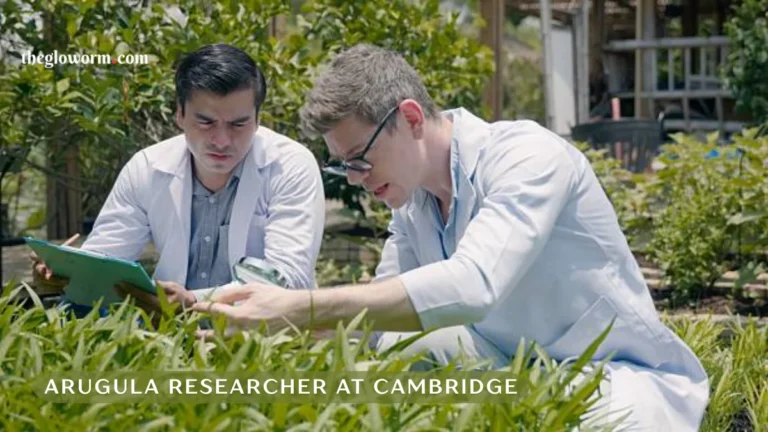
Introduction to the Cambridge arugula researcher
Meet Dr. Sarah Thompson, an arugula researcher at Cambridge University who has made quite the name for herself not just in the world of leafy greens but also in the realm of wordplay. While she spends her days studying the nutritional benefits and growth patterns of arugula, her evenings are often dedicated to cracking crossword puzzles and solving anagrams. This unique combination might seem unexpected, but it’s a perfect marriage of science and language.
If you think about it, both fields require keen observational skills and a knack for problem-solving. As we delve into Dr. Thompson’s journey into the captivating world of crosswords and anagrams, you’ll discover how these seemingly unrelated interests have shaped her life and perhaps even inspired you to pick up a pencil or two yourself!
The importance of crossword puzzles and anagrams
Crossword puzzles and anagrams are more than just word games; they stimulate the mind. Engaging with these puzzles boosts cognitive skills like memory and problem-solving.
Every clue requires critical thinking. You must navigate through synonyms, definitions, and creative interpretations. This mental exercise keeps your brain sharp and agile.
Anagrams provide a playful twist on language. Rearranging letters to form new words enhances vocabulary retention. It’s fascinating how a simple shuffle can unlock hidden meanings.
Moreover, solving crosswords fosters patience and persistence. Each completed puzzle is a small victory that builds confidence over time.
These activities also create community connections. Friends or family members can bond over shared challenges or compete for the fastest solve times, adding social enjoyment to individual effort.
How the researcher became interested in solving crosswords and anagrams?
The journey of the arugula researcher at Cambridge into the world of crosswords began in an unexpected way. While delving deeply into plant genetics, a colleague casually mentioned a particularly tricky crossword clue during lunch.
Intrigued, they found themselves drawn to the challenge. What started as a light-hearted distraction quickly evolved into an obsession.
As late nights stretched on, surrounded by books and papers, the allure of wordplay became irresistible. Each puzzle presented not just a test but also a chance to escape from rigorous research demands.
Finding patterns in letters mirrored their analytical work with plants—both required keen observation and creative thinking. This connection ignited a passion for solving clues and deciphering anagrams that now complements their academic pursuits beautifully.
What began as curiosity transformed into both skill and enjoyment, blending science with linguistic artistry in ways previously unimagined.
The science behind solving crossword clues and anagrams
Solving crossword clues and anagrams taps into our brain’s remarkable ability to recognize patterns. Each letter holds potential, waiting for the right combination to reveal meaning.
Neuroscientists suggest that engaging with these puzzles enhances cognitive flexibility. This mental agility allows solvers to switch between different concepts easily. It’s like a workout for your brain, improving overall function.
Wordplay activates various regions of the brain linked to language processing and memory retrieval. As you puzzle through clues, you’re not just guessing; you’re making connections based on context and experience.
Moreover, solving anagrams involves reconfiguring letters in novel ways a process that encourages creative thinking. The thrill comes from transforming chaos into order while exercising linguistic skills.
Regular practice can lead to faster recognition of clues and heightened intuition about word structure. Engaging with crosswords isn’t merely entertainment; it’s a fascinating journey into the mechanics of language itself.
Tips and tricks for mastering crossword clues and anagrams
To excel at crossword clues and anagrams, start by broadening your vocabulary. Read widely and explore different genres. This habit not only enriches your language but also enhances your clue-solving skills.
Familiarize yourself with common crossword conventions. Recognizing synonyms and wordplay can give you an edge when interpreting tricky clues.
Practice regularly to build speed and confidence. Set aside time daily to tackle puzzles, even if they’re just a few clues at a time.
Don’t shy away from using online tools or apps designed for crosswords. They often have helpful features that identify patterns in words or suggest possibilities based on known letters.
Keep track of frequently used words in crosswords—like “ore” for “mineral,” or “era” for “period.” Learning these can turn what seems like guesswork into informed decisions as you fill out the grid.
The benefits of regularly solving crosswords and anagrams
Regularly solving crosswords and anagrams offers a treasure trove of benefits. First, it sharpens your cognitive skills. Engaging with these word puzzles stimulates critical thinking and enhances problem-solving abilities.
Moreover, it’s a fantastic way to expand your vocabulary. Each puzzle introduces new words and phrases, enriching your language arsenal over time.
Beyond the mental workout, there’s also a social aspect. Many people enjoy sharing their crossword experiences or discussing tricky clues with friends and family, creating opportunities for bonding.
Additionally, working on crosswords can reduce stress levels. It serves as a delightful escape from daily pressures while keeping your mind active.
The sense of accomplishment when completing a difficult puzzle is unmatched. This boost in confidence can spill over into other areas of life, encouraging further exploration and learning.
Conclusion: How anyone can become a pro at deciphering crossword clues and anagrams with practice and determination?
Becoming adept at solving crossword clues and anagrams is within reach for everyone. It doesn’t require a PhD in linguistics or years of experience. The key lies in consistent practice and a genuine interest in the challenge.
Start small by tackling easier puzzles to build confidence. Gradually, work your way up to more complex ones as you sharpen your skills. Engaging with online communities can also provide valuable tips and insights from fellow enthusiasts.
Remember that each puzzle is unique; take time to analyze the clues rather than rushing through them. This reflective approach will help improve not only your vocabulary but also your problem-solving abilities.
Regularly immersing yourself in these word games fosters mental agility, enhances memory retention, and even boosts creativity. With determination and regular effort, anyone can master the art of deciphering crossword clues and anagrams just like our Cambridge arugula researcher has demonstrated through their own journey of exploration and curiosity.
